Sunroom
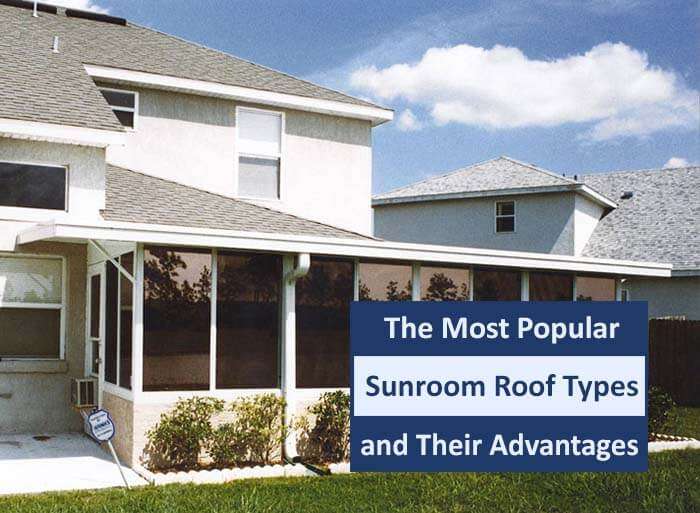
Living in Florida means you must have a Sunroom or a Florida Room, right? It’s undeniable that so many homeowners want to add a sunroom to their home. The benefits are endless. But there are also so many decisions to make such as the size, windows and the roof. After all, the roof will have a major impact on the look of your sunroom and the way that it fits in with the rest of your home. When choosing a roof for your sunroom, you want to consider the look and feel, but energy efficiency and maintenance are also considerations. Therefore, we’ve put together a list of the most popular sunroom roof types and the advantages they offer.
Gable Roof
A gable roof is a familiar sight. It features two panels that gently slant down from a central ridge. It is sometimes called an A-frame or pitched roof. The reason why gable roofs are such a popular choice when building a sunroom is it blends well with most home roof styles. A gable sunroom is generally placed so that the roof’s central ridge is perpendicular to the main house. It’s a timeless look that sheds water and debris with ease. It also provides plenty of room inside for those who want a soaring cathedral ceiling.
Single-slope Roof
As its name implies, a single-slope roof consists of one plane that’s attached to the building at its highest point and slopes down from there. You may also hear it called a studio roof or shed roof. It’s a simple, affordable style that offers strong, clean lines. It also works well with many different architectural styles because it doesn’t compete with any other roof styles on your home.
Existing Roof
What if the porch, patio or breezeway that you want to enclose already is under your existing roofline? By enclosing a patio into a sunroom under the same footprint of your existing roofline, it could help you keep the cost down. However, if you’re increasing the size of the room or changing the shape of the room, you may need to extend the roof.
Structall Aluminum Roofs from Dulando
At Dulando Screen & Awning, we insist on quality. That’s why we use Structall’s Snap-N-Lock Insulated Panels to deliver sunroom roofs that will stand the test of time. With metal skins over an energy-efficient polystyrene foam core interface and sealant encased in the joints to form a watertight seal, these aluminum roof panels are among the best sunroom roof materials. They work beautifully for all sunroom roof types. They go together quickly, reducing labor costs. Whether you want a gable roof or a single slope roof, Structall aluminum roofs can be configured to your design.
They also accommodate electrical features like skylights, additional electrical lights and fans.
Sunroom Roof Colors & Finishes
What about looks? Since most new sunroom roofs will be aluminum, you can go with the existing finish or top them off with siding or shingles. The choice is yours. These insulated aluminum panels will block the sun, helping to keep your sunroom cooler. They’ll also soften the sound of the rain, so your sunroom will be a more comfortable place to be. Maintenance is easy-peasy because aluminum roofing naturally resists termites and carpenter bees and does an excellent job of withstanding Florida’s strong sun and wild winds.
If craftsmanship, quality and value matter to you, reach out to Dulando Screen & Awning. Since 1968, we’ve built our reputation by designing and building custom patio screen enclosures and pool screen enclosures. To discover what we can create for you, schedule a free in-home design consultation today.
Florida Room, Sunroom
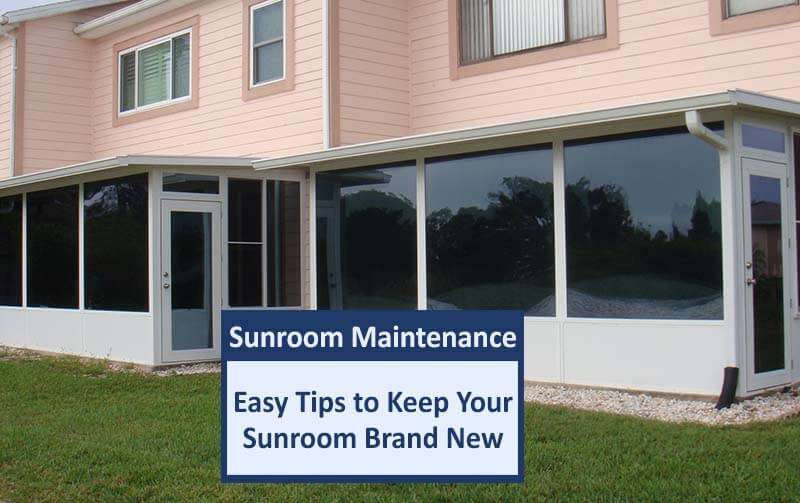
Your new sunroom has quickly become your happy place. How can you keep it looking fresh year after year? We also understand you don’t want to cut too deeply into the time that you get to spend enjoying this space. Therefore, performing a little sunroom maintenance on a regular basis will do the trick. These tips will help.
Tip 1: Be Gentle
Sunrooms are made of a mix of materials, and some are more durable than others. However, a gentle approach is always best. Avoid using a power washer or other harsh tools that might scratch finishes or tear materials. Instead, choose nonabrasive cleansers for your sunroom cleaning. Glass cleansers or warm water and mild detergents are generally safe. You can also check your manufacturer’s recommendations for your type of windows or screens for specific guidance.
Tip 2: Avoid Weighty Matters
Don’t put weight on your sunroom’s screened walls. Likewise, windows made of glass or Florida glass aren’t designed to bear weight from a ladder or a person. What about your sunroom’s roof? Most sunroom roofs aren’t built to withstand a lot of weight. Unless you’re sure that your structure can handle it, it’s best to avoid walking on the roof of your sunroom. A good pressure cleaning will take care of the roof without having to walk on it.
Tip 3: Keep Your Gutters Going
While you’re cleaning the roof, don’t forget about the gutters. The gutters on your house are angled slightly to move the water toward your downspouts. Depending on your roof slope, some gutters may angle down while others are level. That means standing water can hang around. This can set the stage for various unpleasantries that you don’t want lingering near your sunroom. Cleaning your gutters regularly removes any debris or standing water and eliminates the worry.
Tip 4: Choose a Cloudy Day for Cleaning Sunroom Windows
Florida may be famous for its sunshine, but cloudy skies are the best when you want to clean vinyl sunroom windows. Completing sunroom maintenance on a grayer day helps you avoid glare, making it easier to see. It also means that your cleaning solution doesn’t dry quite as quickly. This can help you avoid ugly streaks that would tarnish your view.
Tip 5: Mind Your Landscaping
Sunrooms blur the lines between indoor and outdoor spaces. However, you’ll still want to trim and maintain the landscaping that surrounds your sunroom. If you don’t, branches from trees and bushes can cause scratches and tears. Leaves and debris can clog gutters. Pollen can stain. It’s best to trim the bushes and trees around and above the sunroom.
Tip 6: Consider Window Treatments
Is too much sun causing premature fading of the finishes and fixtures inside your sunroom? Window treatments may offer a solution. Blinds or curtains allow you to control how much sunshine reaches the space. An added benefit of windows treatments is they also offer greater privacy.
Tip 7: Check for Leaks
Your sunroom maintenance routine is the perfect time to check for leaks. Water damage is always easier and less expensive to fix when found earlier in the damage process. Look for water spots in the ceiling or discoloration in the windows and screens.
Click here if you’re looking for screen enclosure cleaning tips.
Are you ready to enhance your outdoor living space with a custom sunroom or Florida room? Turn to the experts at Dulando Screen & Awning. We’d be delighted to work with you to build the perfect enclosure for your home. Contact us today at 407-862-6060 to schedule a free in-home design consultation.
Sunroom
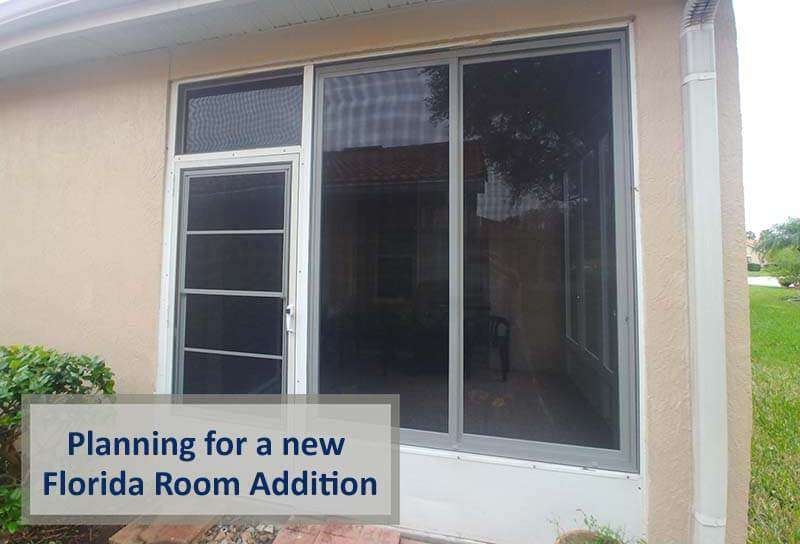
Florida rooms are a fantastic way to bring the beauty of your outdoor spaces inside while also adding space and value to your home. It seems like an overwhelming project, but it’s quite manageable if you make a plan. What should you think about when planning your new Florida room addition? Here are a few tips to get you started.
Your Project Goal
Why are you eager to add a new sunroom addition to your home? Do you want a private escape where you slip away to unwind, a multitasking family room, or a place that’s ideal for entertaining? Having a clear goal in mind will make your decision-making process easier and will help in making subsequent decisions.
Your Space Requirements
How much space do you need to do what you want to do? You might not require a lot of square footage for a private retreat or a breakfast nook. However, if you’re hoping to create a room for entertaining large groups or provide a space where children can play, you’ll need a larger area.
The Florida Room’s Placement
Where should the Florida room addition go? You’ll need to consider the flow of traffic through both your home and your outdoor spaces, and the impact that any changes will have. There’s also the issue of utilities to weigh. Do you plan to incorporate an existing porch or patio when you’re building a Florida room? If so, you may see some savings if you’re able to reuse the existing floor or roof. If you need to expand the existing footprint of the patio, then it’s a good time to figure out by how much.
The Florida Room’s Appearance
How will an addition affect the appearance of your home? You don’t want the addition to look like an afterthought. Can you include architectural features that will make the addition feel like it’s part of the house? What about materials? Will you opt for wood? A wood frame is gorgeous but notoriously a high-maintenance material. Would user-friendly aluminum be a better pick? After all, this environmentally friendly material comes in a variety of colors and styles. What type of windows do you want? Glass or acrylic? It’s also a good idea to figure out what kind of screens you want. There are so many to choose from.
Additional Reading: Choosing between Acrylic, Glass & Vinyl Windows
Your Project Budget
Contemplating your project budget may not be as much fun as the other items on this list, but it’s an essential part of planning your project. Fortunately, a sunroom contractor who regularly designs and builds custom Florida rooms can help you get the most out of your budget. Dulando has the experience to know when spending a little more will really pay off. We also know where you can save a little without impacting the overall quality of the project.
Choosing a Sunroom Contractor
The right sunroom contractor can be an incredible ally in your quest to build the perfect Florida room. How do you find the right professional? Do a little research. Look for an established contractor with a solid reputation for getting the job done right. Make sure that they’re happy to answer your questions, and that you feel comfortable working with them. Finally, consider the quality of their work. Read reviews carefully and go over the information on the materials used in the construction. Don’t forget to ask about warranties.
 Lastly, we’ve also created a free download guide for homeowners who want to build a sunroom.
Guide to Building a Sunroom – Download Now
 Dulando Screen & Awning has been in business for more than 50 years. We take pride in offering the best value for all types of Florida Rooms, pool enclosures and screen enclosures. We’d be delighted to walk you through the process of constructing any type of patio enclosure. Put our experience to work for you. Contact us today to schedule a free no-obligation consultation.
Screen Enclosures, Sunroom
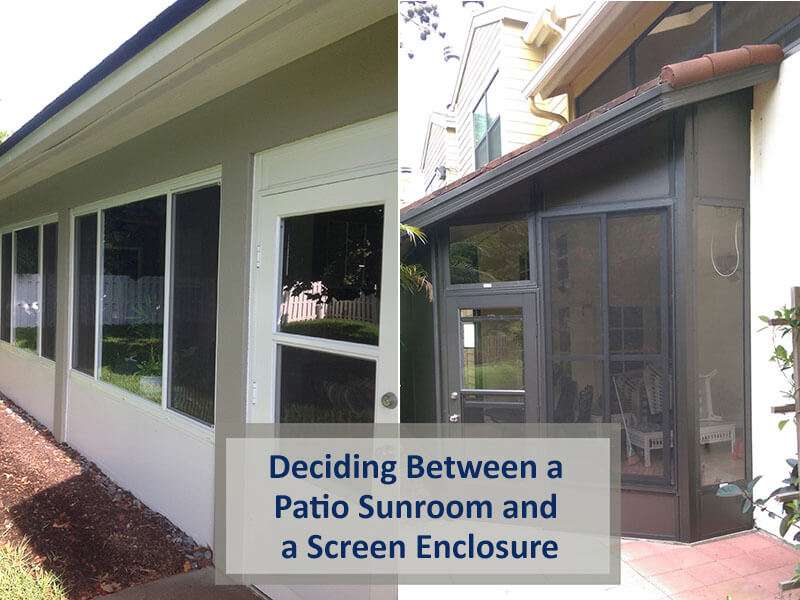
Do you long for a space that embraces the natural beauty found in your backyard without losing touch with all the comforts of home? You have several options. Here in Florida, two popular possibilities are a patio sunroom and a screen enclosure. How do you choose between them? Here are a few areas to consider:
Differences between a Patio Sunroom and a Screen Enclosure
There are many similarities between a patio sunroom and a screen enclosure. After all, both structures offer extra living space to your home. Additionally, they both allow access to the world outside while also providing some protection from the elements and other annoyances lurking in the great outdoors like insects, pollen and windblown debris.
Here are a few questions to ask yourself:
- Are you interested in transforming an existing aluminum porch or patio into a more comfortable living space?
- Is the existing patio under your roofline or would you need to start from the ground up?
You can use either approach for both sunrooms and screen enclosures.
What sets a sunroom apart from a screen enclosure?
The most significant difference is the walls. Sunrooms generally use windows to enclose the space. When left closed, they provide additional insulation and protection. However, they can also be opened to let fresh air in when desired. With screen enclosures, screens form the walls. On the flip side, the walls of a patio enclosure are made of screen. Living in central Florida, the weather allows us to enjoy the outdoors year-round. However, there are those few months in the summer that are unbearable as well as those few possible days when it gets downright chilly. Ultimately, the decision is up to you.
The Benefits of Building a Patio Sunroom
Sometimes called Florida rooms, sunrooms are an easy and affordable way to add usable living space to your home. They can also increase its value and its curb appeal. Thanks to the liberal use of windows, you’ll enjoy lots of light and a clear view of the attractive green spaces outside your home.
With a sunroom, you’ll also have considerable control over your environment. Your enjoyment of a screened porch is often at the mercy of the weather. Sunrooms have walls and windows, so they become an extension of your home. If it’s a beautiful, temperate day, then you can open the windows to let in the breeze. What if rain or allergens are making it miserable to be outside? Keeping your sunroom closed up will prevent these unpleasantries from creeping inside. When temperatures outside are outside of your comfort zone, you can opt to heat or cool the space. These factors make it possible for you to get more use, and more enjoyment, out of your sunroom.
The Advantages of Adding a Screen Enclosure
Why do some people decide to add a screen enclosure? While these structures don’t offer the same level of protection and control as a sunroom, they still provide a space where you can enjoy the beauty of the outdoors without worrying about sunburn, biting insects or other common annoyances.
Screen enclosures are also generally less expensive to build than sunrooms.
We hope you’ve picked up a few tips on deciding between a patio sunroom and a screen enclosure. When it’s all said and done, the decision is up to you.
If you’re looking for a patio contractor, turn to the professionals at Dulando Screen & Awning. Serving our fellow Floridians since 1968, we bring 50 years of experience to the table, and we’re happy to guide you through the process of adding a patio sunroom or screen enclosure to your home. Contact us today at 407-862-6060 to request a free in-home design consultation.
Sunroom
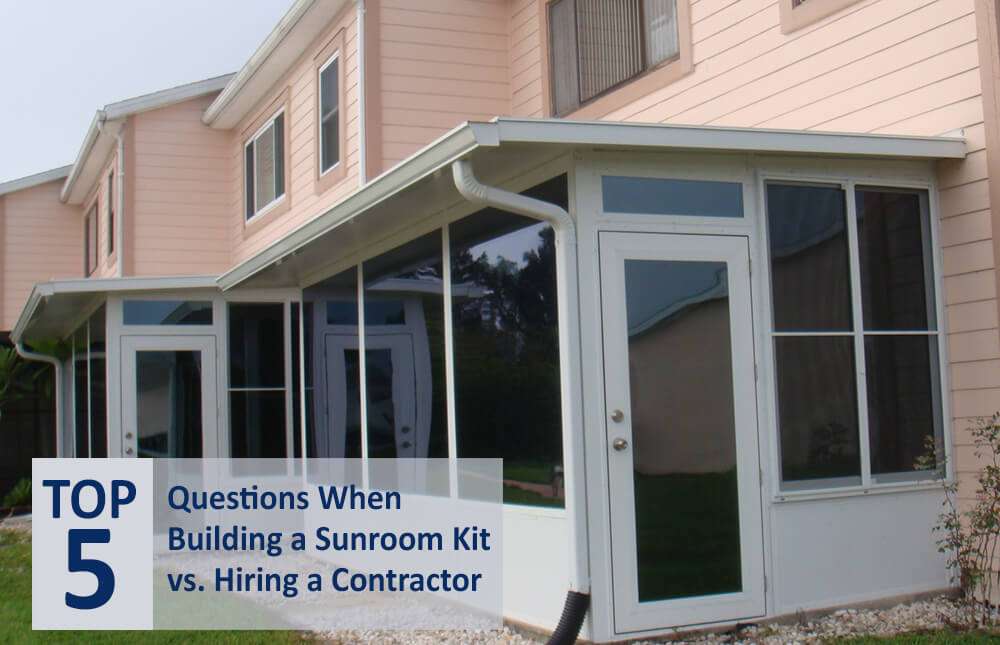
Adding a Florida sunroom to your house invites the beauty of the outdoors into your home without welcoming the downsides, including pesky bugs and the noise of your neighbor’s lawnmower. You can add a sunroom in one of two ways: building it from a sunroom kit or having your sunroom custom-built by a contractor. Deciding on the right option for your situation will require you to answer a few important questions.
What is Your DIY Experience?
Previous experience working on DIY projects can help with putting together a prefab sunroom kit. However, it’s easy to be overconfident in your own abilities. If you frequently design and build furniture from scratch, for example, you may already have the skills for this project. If your DIY experience is limited to smaller projects, such as refinishing an old chair, hiring a sunroom contractor may be the ideal option for your situation. You won’t need to worry about whether your skills are sufficient for the task, and you can avoid any concerns you have about your own safety during the project.
What Features Do You Want?
Working with a contractor for a custom sunroom allows you to choose every part of the project. The sky is the limit. If you want your sunroom to have special features, such as electrical work, a contractor can work those features into the design. A sunroom kit does not allow much room for customization or added features. Although there are a lot of sunroom kits on the market, it is possible that you may not be able to find one that fits your style or requirements.
What Tools Do You Have?
DIY sunroom projects often require access to a wide range of tools beyond a hammer and a measuring tape. Power tools, including circular saws, are usually needed for projects of this scope. If your idea of a weekend project is hanging up picture frames, you probably don’t already have the tools needed for building a sunroom kit.
What is Your Familiarity with Local Building Laws?
The zoning laws in your area can impact adding a sunroom to your home. To avoid the risk of fines and extra expenses if you choose to sell your home, you’ll need to get permits before you can start building. Navigating the tangled web of building codes and local laws can seem daunting if you have little experience with the permitting process. Hiring a sunroom contractor takes the burden of dealing with zoning and permitting off your plate. Dulando will also help you with your HOA.
What is Your Budget?
Your budget for your sunroom project will probably play a large role in deciding how to build your sunroom. Most sunroom kit prices are lower because they only have to account for the prices of raw materials, such as sunroom windows or screen framing; you won’t have to pay for a contractor’s labor. However, don’t make the mistake of discounting the value of your own time; constructing a sunroom is a time-intensive project for even an experienced DIY homeowner, and you’ll need to budget for tool rentals and purchases when evaluating the final cost of your kit. Hiring a Florida sunroom builder does require you to pay for labor, but your money will also pay for years of experience and custom design work.
Additional Reading:
Dulando Screen & Awning, Inc. offers extensive patio and pool enclosure building services to enhance your Florida home. If you’d like to learn more about the Florida sunrooms we’ve been building for decades, contact us today at 407-862-6060.
Aluminum Screen Enclosure, patio contractor, Sunroom
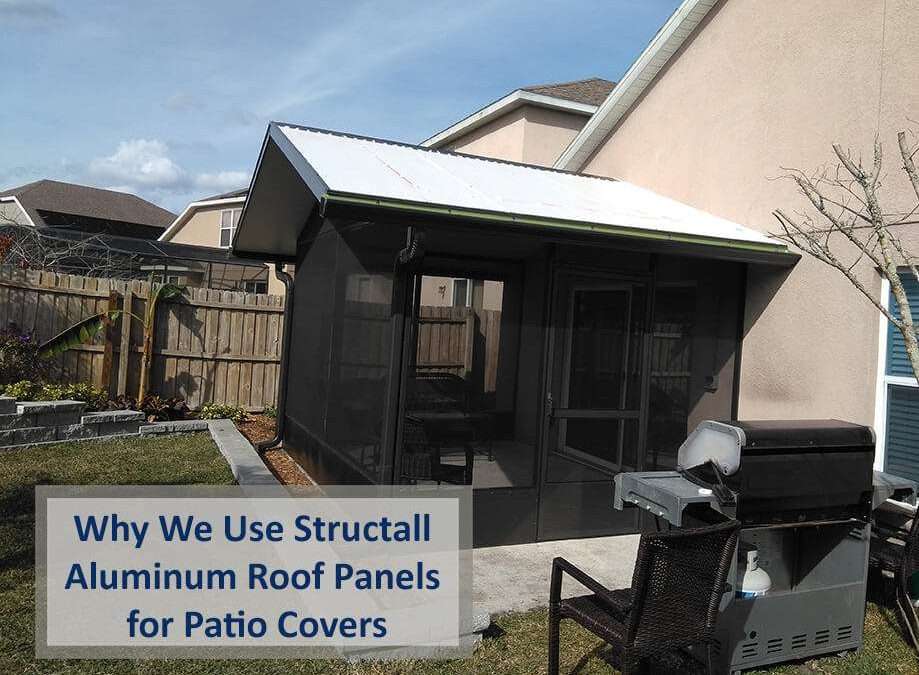
At Dulando Screen & Awning, we’re firmly committed to excellence. That’s why we combine expert design services and meticulous craftsmanship with top-quality materials like Structall’s Snap-N-Lock Insulated Panels. What makes these aluminum roof panels a fantastic choice when you want to cover a patio, screened enclosure or sunroom? Here are the top reasons why we use Structall for our aluminum roof panels.
Benefits of Aluminum Roof Panels
Durability
Aluminum patio roof panels won’t wilt when the going gets tough. This hardy material doesn’t rust or rot. Unlike wood, it’s not vulnerable to termites or other similar pests. What about the wind? When things get gusty, Structall aluminum patio covers stay strong. When building a patio screen enclosure, these roof panels can withstand high wind loads when properly installed. Snap-N-Lock panels also feature a clever design that includes a patented joint design. When the roof panels snap together, an internal sealant creates a sturdy, waterproof seal. Tucking the sealant inside protects it from damaging ultraviolet rays, reducing deterioration. The result is a long-lasting roof that you can rely on for years to come.

Easy to Maintain
Free time is a valuable commodity in today’s busy world. Would you rather spend yours tackling a to-do list of maintenance chores or enjoying fun activities? It takes a lot of work to keep wood in good shape. Aluminum is different. Patio and screen room roof panels made from aluminum need almost no special care. Year after year, they’ll continue to look amazing without making any extra work for you.
Energy Efficient
Florida is famous for its steamy sunshine. Although warm, luminous days are great in theory, the reality can sometimes be harsh. Mixing unrelenting sun with high humidity can make unprotected outdoor spaces brutally hot and sticky. Fortunately, Structall’s insulated aluminum roof panels excel at creating a sheltered space. The panels’ rolled aluminum exteriors surround energy-efficient foam cores to repel heat energy. A roof crafted from these panels shields the area beneath it, so your patio, screen room or sunroom stays cooler with less effort and expense.
Environmentally Friendly
What makes an aluminum roof panel an environmentally-friendly choice? For starters, aluminum is recyclable, so it’s an eco-friendly material. It’s also a low-maintenance one. That means you won’t need to repeatedly apply toxic chemicals to protect it from pests or to seal it against the elements. As mentioned above, there is already an internal sealant. Once the aluminum roof panels snap and lock in place, you are protected.
Customizable
When you want a roof for your patio that reflects your sense of style and melds with your existing structures, Structall’s aluminum roof panels are a perfect choice.
- Do you have a unique floor plan?
- Are you hoping to incorporate special features like sunroofs, ceiling fans or lighting fixtures?
- Structall’s panels can get the job done.
A note of caution – Several homeowners believe they can install a ceiling fan in their patio enclosure, but it’s not that simple. The initial step is to set up a fan beam, which provides extra support for both the wiring and the weight of the ceiling fan. So make sure to discuss this option with your patio contractor.
These versatile Snap-N-Lock panels can be used to achieve a variety of roof pitches. They’re available in a wide range of weather-resistant finishes, or you can cover them with shingles or siding. With so many possibilities, achieving the look you want is easy.
Aluminum roof panels from Structall are an excellent choice for building a roof on many types of screen enclosures and covered patios or aluminum carports.
In addition to their many aesthetic and practical advantages, aluminum roofing panels are also surprisingly affordable. To learn more about these panels or to schedule a free in-home design consultation, contact Dulando Screen & Awning at 407-862-6060 today.
Page 4 of 8« First«...345...»Last »