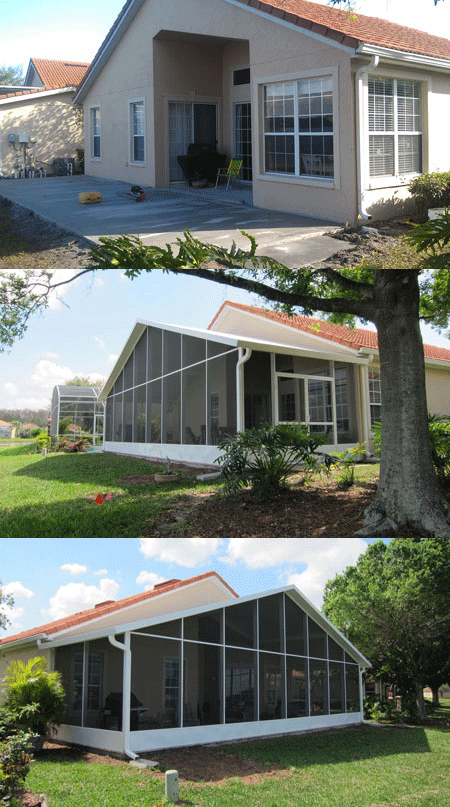
patio contractor, Patio Enclosures
Before you and your family can enjoy your new patio screen enclosure, you must go through a few steps. One of the first steps is to schedule a consultation meeting with your patio contractor. Knowing what to expect during a patio enclosure consultation will give you time to prepare and think about any questions you want to ask.
Why is the Consultation Important?
The patio enclosure consultation is an essential meeting that will help you and your contractor hammer out the details of your patio enclosure. During the meeting, you’ll discuss essential topics that will help the contractor build the enclosure for your home. This includes discussing the design and features that you want and taking measurements to give you a price quote. The contractor will also take note of the design of your home and landscaping so that your screen enclosure can blend in with its surroundings.
Length of the Consultation
The consultation meeting for your screen patio enclosure will probably be between half an hour and an hour. If your project is larger or more complex than the average enclosure, it may take longer. Be sure to set enough time aside for your schedule to avoid cutting the consultation short. Give them enough time to show you different screen and architectural options for your new screened-in patio.
Describing Your Ideal Screen Porch
You don’t need any particular experience to help your contractor envision your idea for your patio enclosure. During the consultation, the contractor will likely ask you questions about what you want in your enclosure and how your family plans to use it. For example, if privacy is a major concern, the contractor can recommend a specific screen to give your family extra privacy. Feel free to look through our gallery of patio screen enclosures for design ideas.
What Questions Should I Ask?
The patio enclosure consultation provides an excellent opportunity for you to ask questions about your contractor and the build-out process. Basic questions about the history of your patio contractor can help you feel confident in your choice of a builder. You can start by asking about the history of the company, including how long the company has been in business and if they hold applicable licenses. This is also a good time to ask to see pictures of the contractor’s previous work on other screen patio enclosures and to discuss the contractor’s previous experience.
Discussing the Finances
The consultation process also includes time to discuss the project’s financial questions. After walking through your property, your contractor should be able to give you a rough cost estimate. Further discussion about design and material choices can also alter the estimate, helping you make the best choice for your budget. You and the contractor can also discuss the payment terms, including how you can pay and if there will be a payment schedule.
A consultation with your patio builder is the initial step towards an enclosure that fits both your home’s design and your family’s lifestyle. At Dulando Screen & Awning, we want to work with you to create a patio that will be an enjoyable part of your home for years. Contact us today at 407-862-6060 to learn more about our outdoor screen enclosures.

Patio Enclosures, Pool Screen Enclosure
Dogs and cats make wonderful companions for your family, but even the most well-behaved pet can wreak havoc on your home on occasion. For example, the screens surrounding your pool or patio enclosure may have suffered some shredding from the claws of your pets, significantly weakening the screens and potentially leaving a hole for escape. Fortunately, a Phifer pet screen offers durability far beyond the strength of regular screens. A look at the differences and similarities between the two screen materials can help you understand the value of pet screen for your home.
Construction and Material
Pet screens are designed with the destructive potential of pets in mind. The materials used are strong and resistant to the claws of a cat or the brute strength of a dog. The screen is constructed from polyester yarn coated with PVC, making it about seven times stronger than regular screens. By comparison, cheaper enclosures and screen doors are constructed with the same lightweight materials used to make window screens. If you have a dog or cat, it’s vital to invest in pet screen for your pool or patio enclosure.
Visibility, Airflow and Pests
Some homeowners are concerned that the durable materials used in pet screens will reduce the visibility and airflow in their pool or patio enclosure. Although the individual strands that make up a dog or cat proof screen are thicker, the strands are placed further apart to avoid significantly impacting visibility and airflow. You may notice some slight visual differences between regular screens and pet screens, but the difference is negligible for most people. You’ll still be able to enjoy the fresh air in your enclosed patio without worrying about your cat or dog destroying the screen enclosure.
Many homeowners choose to enclose their pools and patios to avoid harassment and bites from perpetually present pests. Although the gaps between strands are wider in pet screens, they’re still close enough together to protect you and your family from pests.
Simple Installation
The process for installing pet resistant screens is exactly the same as the process for regular screens. Existing door and enclosure frames can be refitted with pet screens. If you have a regular screen that is beginning to fail due to your pets, you can have it replaced easily.
Phifer Screens has so many high-quality screen materials to choose from. See all the types of Phifer Screens we use to provide you the best solution for your needs.
If you have pets, replacing the screen of your patio enclosure with a Phifer pet screen is a good way to improve the durability of your enclosure. To learn more about installing pet screen in your Florida home, please contact Dulando Screen & Awning, Inc. at 407-862-6060 or fill out our online form for a free estimate today.
Patio Enclosures, Pool Screen Enclosure, Screen Enclosures
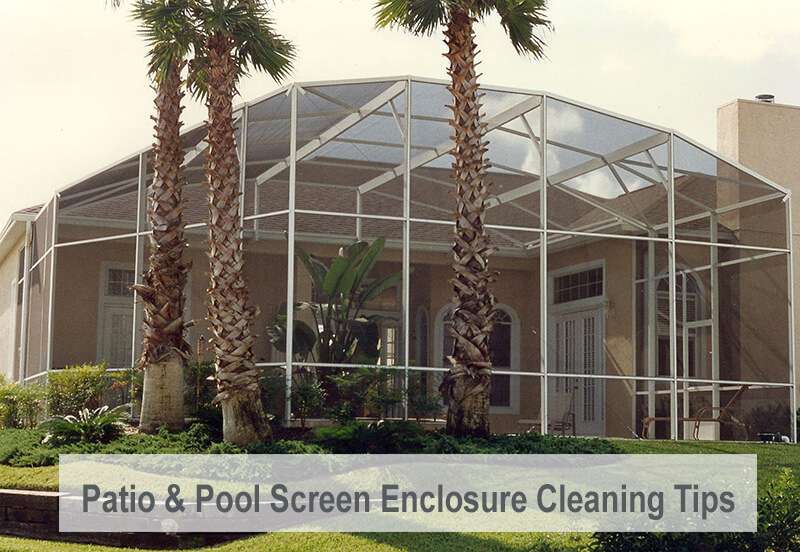
Spring is in the air, and so is lots of pollen. If the sight of your porch, screened lanai or pool enclosure developing an ugly yellowish-green tinge is prompting you to type “how to clean screen enclosure” into your go-to search engine, then you’ve come to the right place. Keep reading for handy tips for screen enclosure cleaning.
Cleaning Screen Enclosures
While screen enclosures do an excellent job of keeping bugs, wildlife and yard debris out of your outdoor living spaces, their exteriors don’t repel pollen. Over time, pollen can accumulate on the structure’s surfaces, forming a film of yuck that makes your enclosure look old or dirty. Thankfully, there’s an easy fix. A little cleaning is all that’s needed to restore your patio or pool enclosure. For a general cleaning, there are basically two approaches that you can take. When cleaning a screened lanai or pool enclosures, you can:
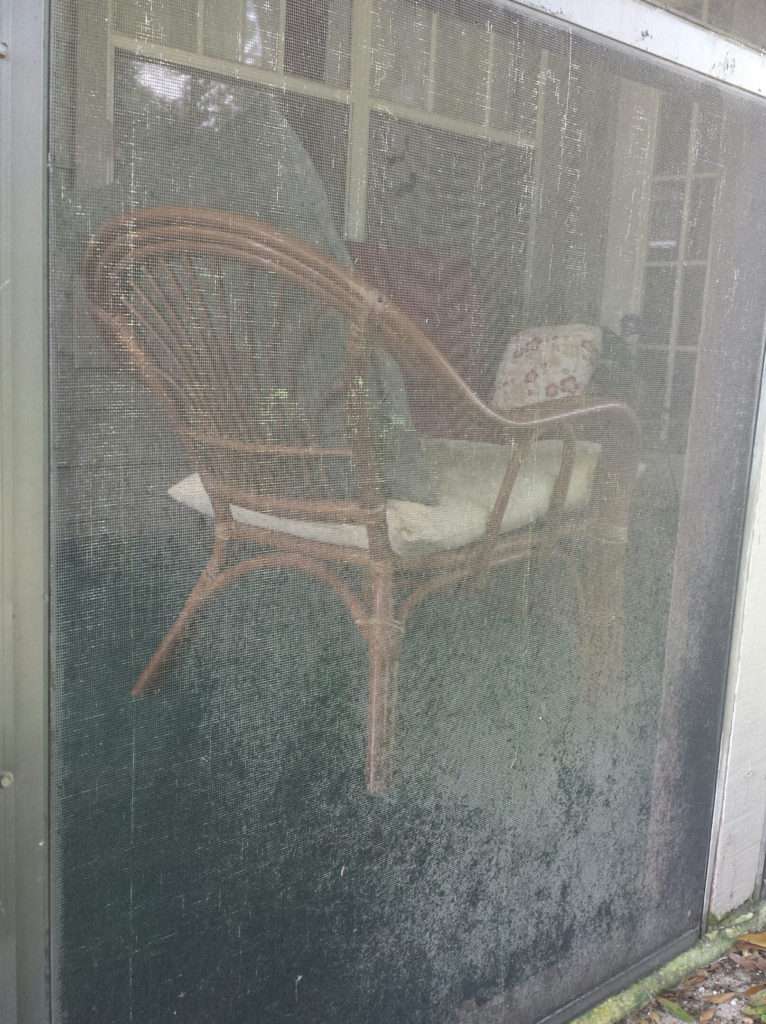 Do it by hand. To clean a screen enclosure and frame by hand, you’ll just need a bucket, some dish soap, a brush with soft bristles, your garden hose, and a little elbow grease. Use the brush to gently scrub the screens and frame with warm, sudsy water. Then, rinse them with your garden hose and allow them to air dry. If the patio enclosure is really grimy, you might need to repeat the process.
- Use a power washer. If you are cleaning a pool enclosure, especially those hard to reach areas, use a power washer. Or, if you prefer to put a little more power in your porch, lanai or pool enclosure cleaning, you can bring in a power washer. The hot, pressurized water used in power washing is a great way to blast away grime, but you have to be careful about just how much power you use. Too much can damage the screens. Always start out on the lowest possible setting and proceed with caution.
Removing Stains, Mold and Algae
Various substances can stain your screen enclosure, and moisture, pollen and spores will sometimes team up to form areas of mold or algae. If these stubborn spots resist your initial screen enclosure cleaning efforts, don’t give up. Add some vinegar to your arsenal. Use a 50-50 mix of hot water and vinegar and your brush or a sponge to scrub the problem spots. Then, follow it up with a thorough rinsing with your garden hose. Be sure to give any plants in the area a deep soaking to counteract any contact from the vinegar. Does the smell of vinegar make your nose wrinkle? Don’t worry. It will fade away as the area that you cleaned dries.
If you find that the cleaning solution with vinegar doesn’t quite work or you prefer to go straight to the hard stuff, bring out the bleach. Bleach can sometimes discolor aluminum, and it’s also hard on skin, so take a cautious approach here. Mix 3 parts water with 1 part bleach and wear gloves to protect your hands as you gently scrub the stained areas with the mixture. If problems persist, then you may want to seek out a professional company that offers screen cleaning services.
We’ve built thousands of patio and pool enclosures in central Florida in the last 50 years. If you interested in enriching your outdoor living spaces with a Florida room, patio screen enclosure, pool screen enclosure, aluminum awning or pergola? With more than 50 years of experience in providing residents of central Florida with quality products and excellent customer service, Dulando Screen & Awning is ready to get the job done right. Contact us today at 407-862-6060 to discuss your next home improvement project.
Patio Enclosures, Sunroom
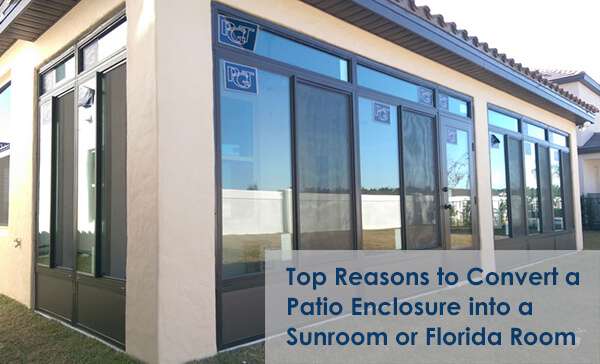
The patio is so much more than just another part of the house. It can be a relaxing escape after a long day at work, a casual dining room for laid-back meals or a special place to gather with family and friends. It’s one of the few truly multipurpose rooms that bring everyone together. Whatever your patio space means to you, you can get even more of a good thing when you convert a patio enclosure info a Florida sunroom you can use all year long.
Boost Property Value
There’s a good reason why a patio sunroom is also known as a Florida room. In the Sunshine State, where warm weather is a given, a practical outdoor space is a must. While a basic patio screen enclosure is a good start, upgrading it to a professionally designed sunroom can go a long way toward permanently increasing the long-term price of your home.
Improve Curb Appeal
Besides increased functionality, one of the biggest reasons why building a Florida sunroom is such a reliable way to boost property value is added curb appeal. Because it’s one of the first things you’ll see from the outside, a well-made, high-quality extension makes for an easy way to give your home’s exterior a major style makeover.
Never Let the Weather Ruin Your Plans Again
While a patio screen enclosure is great for keeping the bugs out of your dinner, what do you do when the weather is not ideal? Soaring temperatures, occasional cold spells and frequent passing storms can instantly put a damper on what could otherwise be an ideal day to use your patio. When a homeowner is looking to convert a patio enclosure into a sunroom, it usually has to do with wanting to use the space 365 days in the year. Sunrooms are typically built with glass or clear vinyl windows, which means that unpredictable weather is taken out of the equation. No more changing your plans depending on what the forecast tells you. You’ll be able to enjoy the best of what Florida has to offer without compromise.
Save the Environment and Your Money
Better climate control also translates to significant financial savings. Florida Sunrooms can dramatically lower cooling costs by preventing cold air from escaping, and on those days when the weather outside is perfect, it’s easy to throw the windows open for natural ventilation. By reducing your overall energy footprint, you’ll protect both your wallet and the environment.
Extend Your Living Space
Life is unpredictable, and you never know when you might find yourself in need of a little extra space. Depending on your changing circumstances, your sunroom can be turned into an office, an outdoor playroom, a guest bedroom, a storage unit or a temporary base for a new business. The possibilities are endless.
These are just a few of the reasons why homeowners decide to convert a patio enclosure into a sunroom. Keep in mind that turning your screened patio enclosure into a Florida sunroom is no easy task. To maximize the benefits above, it’s best to work with experienced contractors who are familiar with the unique challenges of Florida’s building codes. From stronger structural stability to flawless performance to creative aesthetics, a professional touch can make all the difference.
Additional Reading: Convert a Patio Enclosure to a Sunroom
Put our 50 years of experience to work with you. Call Dulando Screen & Awnings to consult with our in-house design team about converting your patio into a Florida sunroom. Give us a call at 407-862-6060 or fill out our online request a quote form.
Patio Enclosures
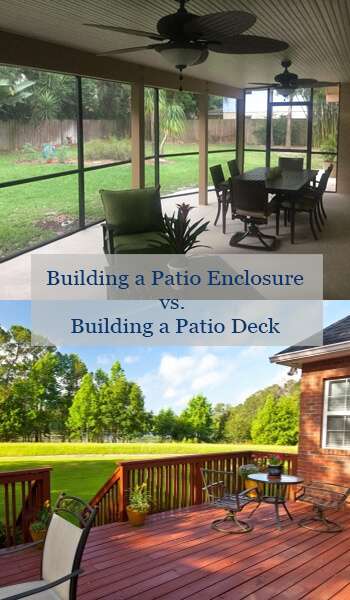
Adding functional living space to your backyard is a good way to increase the enjoyment and the value of your home. Patio decks and patios with screen enclosures are two of the most common features homeowners can install for extra outdoor living space. Although building a patio deck and a patio enclosure offer similar features for homeowners, there are some key differences between them, starting with the materials used in their construction.
Materials for a Patio or Deck
The biggest differences between patios and decks lie in their construction materials; patios typically use stone materials while decks use wood. An enclosed patio is typically constructed with an aluminum frame and a screen material. Homeowners have a wide variety of stone materials to choose from for their patios, including brick, pavers, concrete and tile. Homeowners can select colors and styles to create a unique look to suit their individual styles.
Location of New Backyard Patio or Deck
Both a patio deck and patio enclosure are typically level with the ground, eliminating the need for a railing or set of stairs. A patio can easily be built around an existing step from your back door. Building a patio from your back door also makes it easy to enclose with a screen by connecting the enclosure to the house. Decks, on the other hand, can be built above the ground level so that the homeowner can take advantage of a view or connect the structure to a second level of the house.
Cost of Patio Enclosure vs. Patio Deck
The materials used contribute to the cost of a patio enclosure or deck. It depends on which materials you want to use. If building a patio deck, wood often costs less than some of the materials used in enclosed patios, but inexpensive wood can incur a higher maintenance cost. More durable woods can actually be more expensive than typical patio materials. If your yard doesn’t require extra work to level and prepare for a patio, the labor for building a patio may cost less than building a patio deck.
Maintenance for Patio Enclosure vs. Patio Deck
Whether building a patio deck or a screened patio enclosure, understand that they require different levels of maintenance. An enclosed patio won’t be as exposed to the elements, protecting it from developing mold or other issues. Regular cleaning tasks, including sweeping with a broom, may be sufficient to maintain your patio. Patio decks require more maintenance to keep them in good shape. This includes annual sealing and frequently checking the deck for structural issues.
Patio Enclosure Provides Protection from the Elements
An enclosed patio gives homeowners relief from the natural elements, including annoying pests. Due to the durable screen materials used in this type of patio, homeowners won’t have to endure mosquitos and other common Florida insects. Screened patio enclosures can also block out some of the sun’s heat, help homeowners reduce their cooling costs in the summer. Homeowners also won’t have to deal with an endless collection of leaves and other debris that plague open-air patios and decks.
Additional Reading:
Although both a patio deck and a screened in patio can add the same functionality to your home, it’s important to consider your needs before making a choice. If you want a durable structure that will last for years without major work and will also protect you from Florida’s insects, an enclosed patio may be the choice for you. Since 1968, Dulando Screen & Awning has helped Florida residents create their own backyard havens with enclosed patios. Contact us today 407-862-6060 for help with your creative backyard ideas.
Patio Enclosures, Screen Enclosures
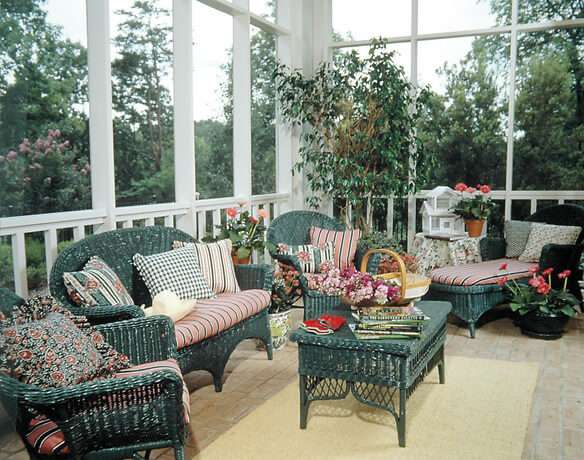
When space in your backyard is limited, you need a patio design that will use the space wisely. It is possible to have a well-designed small backyard patio that will accommodate your needs and add years of enjoyment for you and your family..
it’s important to know that not all configurations will work for patio designs in a small backyard. Therefore, how can you achieve the most impact for a patio design with a small backyard? Here is our list of the top 5 elements to consider when creating a patio design for a small backyard:
1. A Defining Feature
A backyard patio defines a space that becomes an outdoor room that is ripe with possibilities. When building a patio, it’s important to select a location that is appealing so that you’ll enjoy spending time there. Consider how you want to use your patio as well as traffic flow into your home. This will help you visualize details of your patio design.
2. Appearance Matters
With so many patio pavers and concrete options to choose from, there’s no excuse for a boring patio. For a truly unique look, consider adding a pattern onto your patio’s surface. Do you want to make your space look a little larger? Incorporating borders to your paver patio. It will make the patio seem bigger and will add contrast into your landscaping. A border is another option that can have a major impact on your patio’s appearance. Whether it is the same color as the primary area or a contrasting color, a border creates crisp, clean line that frames your patio.
3. Multitasking Functionality
How do you intend to use your patio? When space is an issue, you’ll need to plan carefully and look for places where you can include features that will do double duty. For example, if you intend to enjoy cooking and entertaining on your new patio, you might want to set up a small outdoor kitchen that revolves around an outdoor bar that can serve as a space for prep, cooking, serving food and even dining. Are you a dedicated gardener who believes planters are a must for the ideal patio? Adding planters will definitely add visual appeal to your backyard patio design.
4. Going Up
Smaller yards often limit your ability to spread out, so get creative with your use of space by thinking vertically. Embracing vertical design options allows you to do more with the look and function of your patio. You can use the exterior wall of your home or a pergola to generate usable vertical space. Pergolas are also a fantastic way to gain the perfect amount of shade if you’re worried about getting too much sun while using your patio. Pergolas become a focal point of any patio design while creating an open atmosphere for guests to enjoy. Here are additional FAQs when building a pergola.
5. A Professional Touch
With any patio project, it’s easy to understand why the size and scope of the work demand professional oversight. However, a professional touch is just as important when you are designing a patio for a small backyard. You need to make every inch count, and an experienced professional can point out features and products that will help you achieve the look that you want and the functionality that you need.
Dulando Screen & Awning has been helping homeowners in and around Orlando, Florida, transform their backyards since 1968. Our team delights in working in yards of all shapes and sizes, and we are experts at maximizing patio space in small backyards. To explore the possibilities, contact us today at 407-862-6060 to schedule a free design consultation.
Page 5 of 9« First«...456...»Last »